

Exploring Diverse Career Paths for Aspiring Pilots

Updated: Aug 5
Careers in Aviation
Certified Flight Instructor

Certified flight instructors, or CFIs, are pilots authorized by the Federal Aviation Administration (FAA) to teach student pilots how to operate an aircraft. They conduct ground school, instruct students in the air, evaluate decision-making, and recommend students for checkrides. Many CFIs work for flight schools, but they may also work independently as free agents.
Charter Pilot
Charter pilots transport passengers on private aircraft. These pilots fly to various locations on non-scheduled flights, going wherever the client wants to go. Along with regular flight operations, charter pilots provide personalized customer service and ensure client comfort.
Corporate Pilot
Corporate pilots operate company-owned or chartered aircraft to transport business executives and clients. Their schedules require flexibility and readiness to fly on short notice. Corporate pilots handle all aspects of the flight, from pre-flight checks to in-flight operations and customer service.
Cargo Pilot
Cargo pilots fly aircraft transporting freight, mail, and other goods instead of passengers. They often fly at night or in the early morning to deliver items worldwide. These pilots may also monitor weight and balance, oversee loading and unloading of freight, or sign off on shipments upon arrival.
Agricultural Pilot
Agricultural pilots, also known as crop dusters, fly small aircraft equipped to spray fertilizers, pesticides, and herbicides on crops and farmland. They are skilled at precision flying, able to operate aircraft at low altitudes and high speeds, and are responsible for mixing, loading, and managing the chemicals.
Aerial Survey Pilot
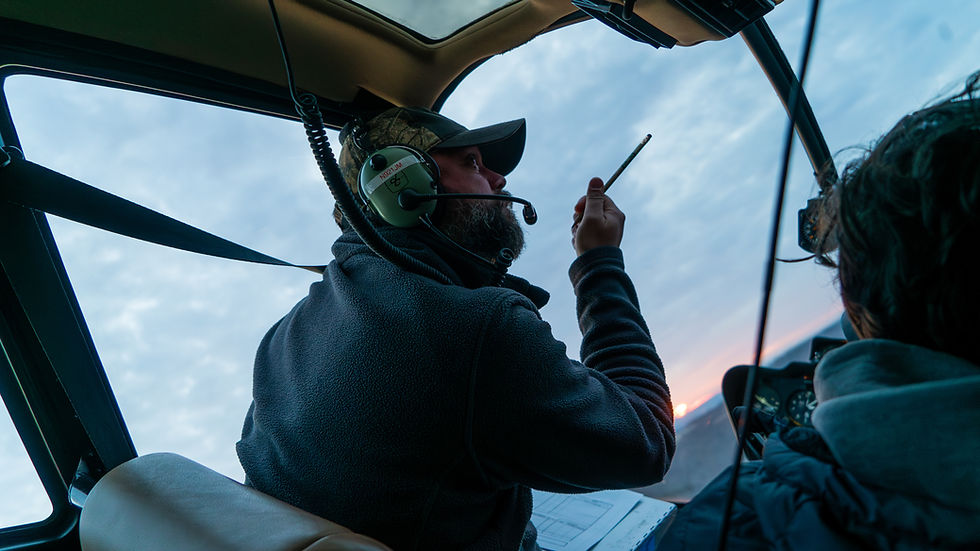
Survey pilots fly specialized aircraft equipped with cameras, sensors, or LiDAR to capture imagery or geospatial data of the Earth’s surface. They follow precise, grid-like patterns to collect data for mapping and analysis.
Government Service Pilot
Government pilots operate aircraft for local, state, and federal government agencies. They may conduct aerial surveillance, border patrol, search and rescue operations, disaster relief, or transport government officials and personnel.
Law Enforcement Pilot
Law enforcement pilots operate aircraft to support police officers on the ground. They conduct aerial surveillance during pursuits and criminal investigations, aid in search and rescue operations, support SWAT teams, and transport officers and personnel. These pilots often begin as sworn police officers.
Experimental Test Pilot
Test pilots are responsible for flying and evaluating new, modified, or experimental aircraft by flying them through rigorous, sometimes dangerous, maneuvers to assess performance, handling, and safety. These pilots work closely with engineers, identifying design flaws and recommending improvements before aircraft are cleared for operational use.
Medical and Air Ambulance Pilot
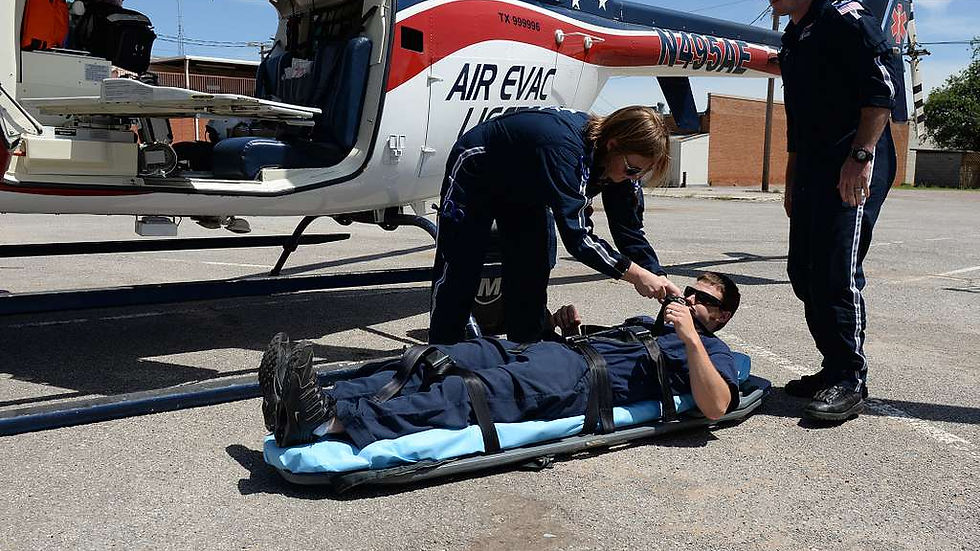
Medical pilots, also called EMS pilots, operate aircraft for emergency medical services, transporting patients, medical teams, and organs. They generally offer transport from emergency scenes to trauma centers or between hospitals. These pilots provide quick but safe transportation and often need to be able to fly at all times of day and in all conditions.
Aerial Firefighter
Aerial firefighters work to slow the spread of wildfires by dropping water or fire retardant from an aircraft so firefighters on the ground can contain them. They have specialized knowledge of how wildfires spread and how they can be contained. These pilots also conduct reconnaissance of new fires and transport personnel and supplies to fire zones.
News Helicopter Pilot
News pilots operate helicopters for television stations to gather live, aerial footage of breaking news like traffic accidents, fires, or police chases and conduct routine patrols for traffic reporting. They may also be deployed for scheduled filming of things like sporting events.
Stunt Pilot
Stunt pilots specialize in performing dangerous, high-skill aerial maneuvers for entertainment, airshows, or film production. They perform displays like spins, loops, rolls, and inverted flight to entertain crowds. A career as a stunt pilot requires intense training and is rare due to its highly risky and demanding nature.
Banner Tow Pilot
Banner tow pilots fly single-engine aircraft pulling large banners with advertisements or messages over targeted audiences, often at beaches and sporting events. These pilots are trained to grab the banner mid-flight with a specialized hook and rope to lift the banner without having to land.
Scenic Tour Pilot

Scenic tour pilots operate helicopters or small planes for aerial sightseeing tours, focusing on passenger comfort and entertainment. They often narrate points of interest throughout the flight and provide high-level customer service to maintain customer satisfaction and comfort.
Ferry Pilot
Ferry pilots move aircraft from one location to another, often without passengers or cargo. This includes delivering new aircraft from manufacturers to buyers, transporting aircraft to new owners, or transporting aircraft to maintenance facilities. These pilots fly a wide range of aircraft and often work as independent contractors.
Bush Pilot
Bush pilots are specially trained to fly small aircraft into remote areas lacking paved runways, air traffic control, or adequate infrastructure. These pilots are versatile, able to land aircraft on short and unpaved airstrips, in dirt fields, on frozen lakes, or in water.
Careers in the Airlines
Flying for the airlines isn't all that bad! Airlines generally offer higher pay, structured schedules, and greater job stability. Here are a couple of options for pilots aspiring to fly in the airlines!
Major Airline Pilot
Major airline pilots fly for the industry’s flagship airlines, like American, Delta, and United, operating larger domestic and international networks with larger aircraft. These pilots often have less frequent takeoffs and landings and longer layovers.
Regional Airline Pilot
Regional airline pilots operate smaller jets and shorter routes for regional carriers like SkyWest, Envoy, and Republic. Regional pilots often have more frequent takeoffs and landings and may spend more time away from home.
Get Started With Flight School at AIRO
Are you interested in a career in aviation but aren’t sure where to start? We’ve got you covered! AIRO has flight schools in Northwest Arkansas and Kansas City with expert pilots trained to provide high-level instruction so that you can reach your aviation goals. To take that first step, book a discovery flight with us and see firsthand what it’s like to train at AIRO!
In conclusion, the aviation industry is vast and full of exciting opportunities. Whether you're drawn to flying for airlines, teaching others, or engaging in specialized aerial services, there's a path for you. So, why wait? Dive into the world of aviation today!


